
The best algae eaters for most aquariums are bristlenose plecos, otocinclus, Siamese algae eaters, nerite snails, and Amano shrimp. Each targets different types of algae, so a combination works best, and no algae eater can fully replace proper tank maintenance on its own.
Quick Navigation
➜ What Eats Algae in an Aquarium?
➜ Types of Algae Eaters
➜ Types of Algae in Aquariums
➜ Best Algae-Eating Fish
➜ Bristlenose Pleco
➜ Otocinclus (Oto Catfish)
➜ Siamese Algae Eater (SAE)
➜ Hillstream Loach
➜ Clown Loach
➜ Best Algae-Eating Snails
➜ Nerite Snail
➜ Mystery Snail
➜ Ramshorn Snail
➜ Best Algae-Eating Shrimp
➜ Amano Shrimp
➜ Cherry Shrimp
➜ Ghost Shrimp
➜ FAQ – Algae Eaters in Aquariums
What Eats Algae in an Aquarium?
A wide range of fish, snails, and shrimp eat algae naturally, though how much and which type varies by species.
• Fish: Bristlenose plecos, otocinclus, Siamese algae eaters, hillstream loaches, and clown loaches all eat algae to varying degrees.
• Snails: Nerite snails, mystery snails, and ramshorn snails graze on algae constantly.
• Shrimp: Amano shrimp, cherry shrimp, and ghost shrimp all eat algae, with Amano shrimp widely considered the most effective of the three.
No single species eats every type of algae equally well, see the Types of Algae section below to match the right algae eater to the specific algae problem you’re dealing with.
Types of Algae Eaters
Fish, snails, and shrimp all eat algae, but they do it differently, which affects which one is the right fit for your tank.
• Fish generally eat algae as part of broader foraging behavior, not their sole food source, most need supplemental feeding (wafers, veggies) alongside whatever algae is available.
• Snails graze almost constantly and are the lowest-maintenance option, several don’t reproduce in freshwater, making population control a non-issue.
• Shrimp are the most thorough at cleaning tight spaces and hard-to-reach surfaces, but tend to do best in smaller, well-established tanks rather than large or newly set up ones.
Types of Algae in Aquariums
• Green algae: The most common type, and easy to control.
• Brown algae (diatoms): Common in newer tanks.
• Black beard algae: Very tough to remove.
• Hair algae: Grows quickly on plants.
• Blue-green algae: Actually a bacteria, not a true algae, and it’s harmful.
| Algae Eater | Tank Size | Algae Type | Difficulty | Best For |
|---|---|---|---|---|
| Bristlenose Pleco | 20–30 gal | Green algae | Easy | Beginners |
| Otocinclus | 10–20 gal | Soft algae | Medium | Planted tanks |
| Siamese Algae Eater | 30+ gal | Black beard algae | Medium | Tough algae |
| Nerite Snail | 5+ gal | Glass algae | Easy | Small tanks |
| Amano Shrimp | 5+ gal | Soft algae | Easy | Planted tanks |
Best Algae-Eating Fish
Bristlenose Pleco
The Bristlenose Pleco is one of the best algae eaters for home aquariums and is highly recommended for beginners. Unlike common plecos, they stay relatively small and are suitable for medium sized tanks.
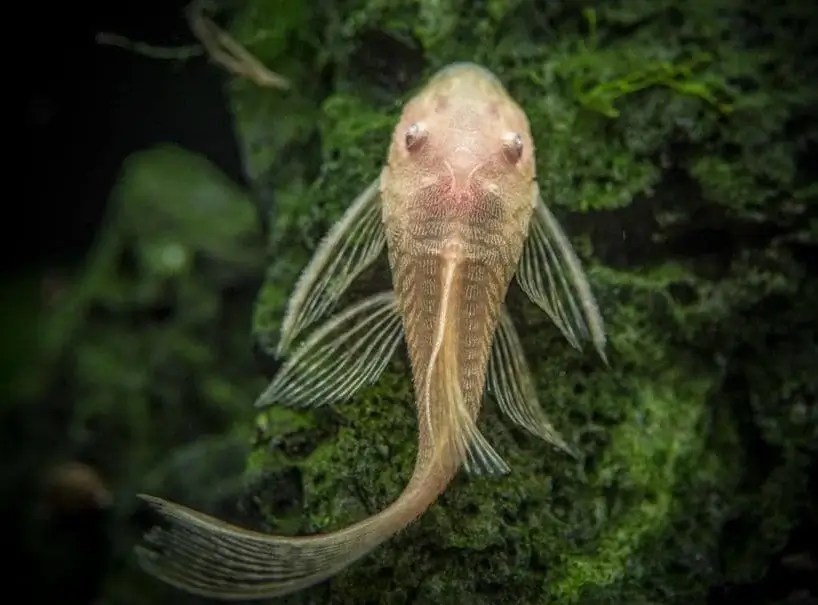
They are effective at cleaning algae from glass, decorations, driftwood, etc. However, they also require supplemental feeding such as algae wafers and vegetables like zucchini or cucumber.
• Tank size: Minimum 20–30 gallons
• Behavior: Peaceful, mostly active at night
• Best for: General algae control in community tanks
Otocinclus (Oto Catfish)
Otocinclus catfish, often called Oto cats, are small and peaceful algae eaters that are ideal for planted aquariums. They are good at removing soft algae from plant leaves, glass, and decorations.
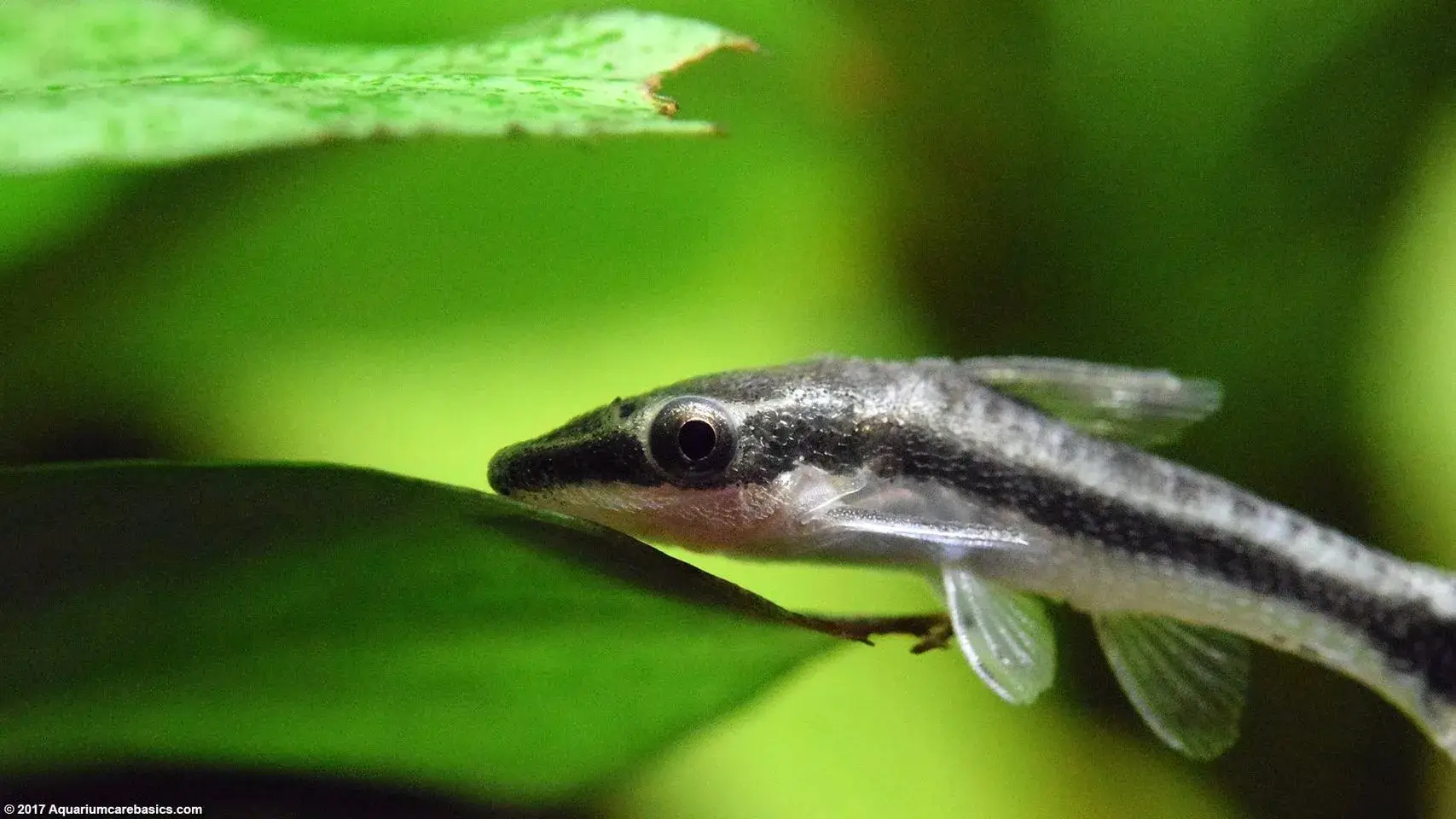
These fish do best when kept in groups and prefer stable, well maintained tanks. They are sensitive to poor water conditions, so they are better suited for slightly experienced aquarists.
• Tank size: 10–20 gallons (group recommended)
• Behavior: Very peaceful, schooling fish
• Best for: Soft algae and planted tanks
Siamese Algae Eater (SAE)
The Siamese Algae Eater (SAE) is one of the few fish known to eat stubborn algae such as black beard algae. This makes it highly valuable for tanks struggling with difficult algae problems.
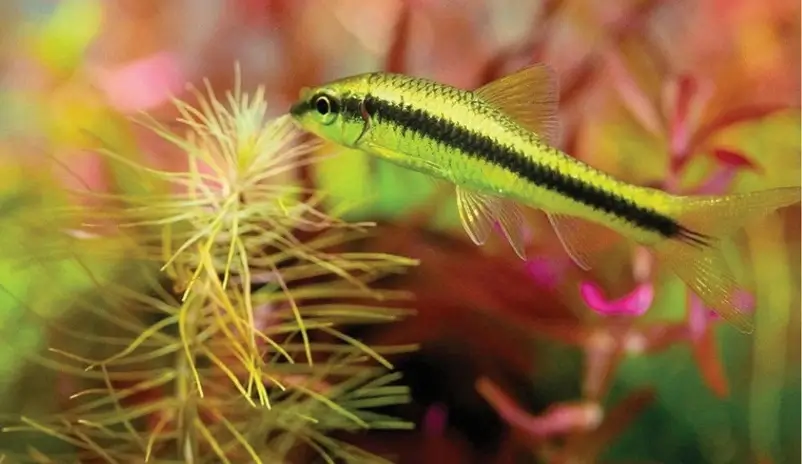
They are active swimmers and require adequate space. While peaceful when young, they can become slightly territorial as they grow.
• Tank size: Minimum 30 gallons
• Behavior: Active and semi-aggressive with age
• Best for: Tough algae like black beard algae
Hillstream Loach
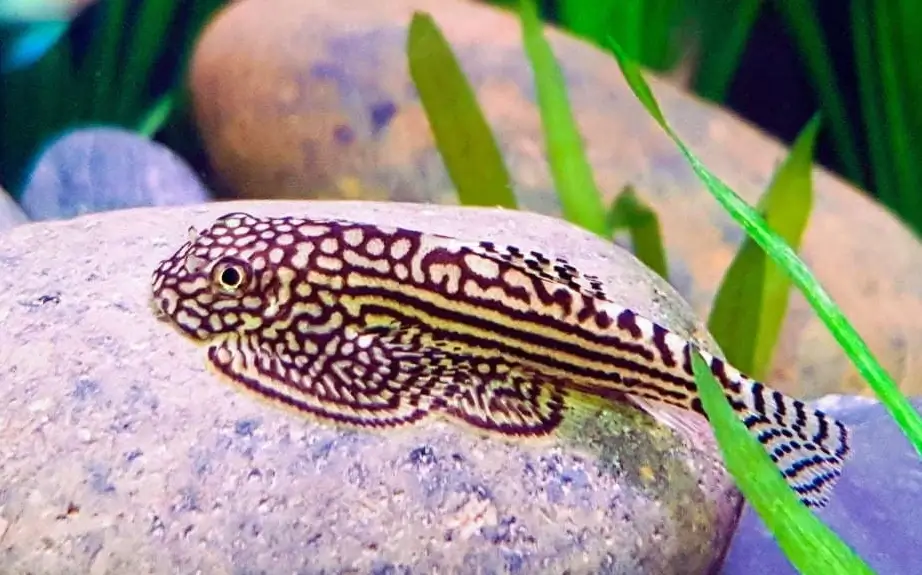
The Hillstream Loach is a unique algae grazer known for its flat body and ability to cling to rocks and glass. It feeds on algae and biofilm growing on surfaces.

Clown Loach
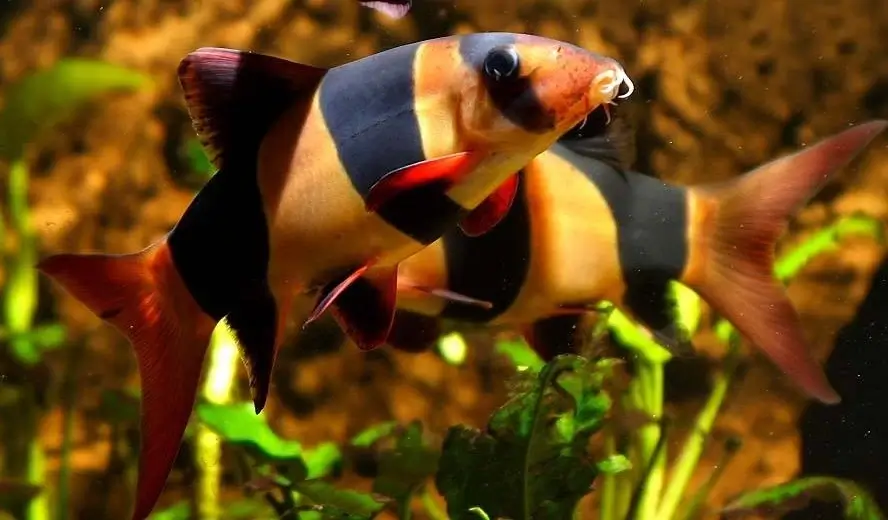
Clown loaches are known for their vibrant colors, playful behavior, and friendly nature. Clown loaches have a great appetite for algae. They can help control some types of algae, but not as efficiently as other specialized algae eaters.
All of these fish require cooler, well-oxygenated water with good flow, making them better suited for specialized setups rather than typical beginner tanks.
• Tank size: 20+ gallons
• Behavior: Peaceful, prefers strong water flow
• Best for: Algae on rocks and natural surfaces
Best Algae-Eating Snails
Nerite Snail
Nerite snails are among the most effective algae eaters for aquariums. They actively clean algae from glass, rocks, and decorations without damaging plants.
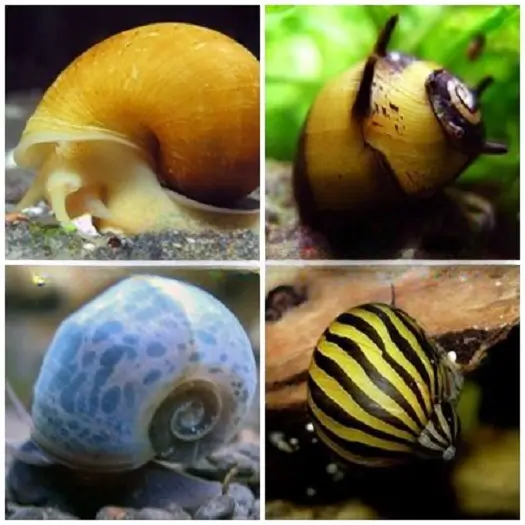
One of their biggest advantages is that they do not reproduce in freshwater tanks, making them easy to manage.
• Tank size: 5+ gallons
• Behavior: Peaceful, constantly grazing
• Best for: Green algae, glass cleaning
Mystery Snail
Mystery snails are popular aquarium snails that help clean algae and leftover food. While they are not as aggressive algae cleaners as nerite snails, they contribute to overall tank cleanliness.
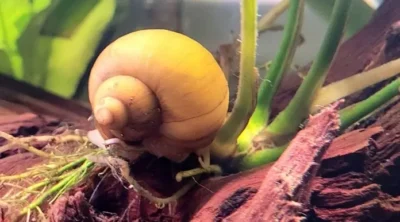
They are easy to care for and available in different colors, making them a favorite among beginners.
• Tank size: 5+ gallons
• Behavior: Slow-moving, peaceful
• Best for: Light algae and tank maintenance
Ramshorn Snail
Ramshorn snails are effective algae eaters that can quickly multiply in aquariums. They feed on algae, biofilm, and leftover food.
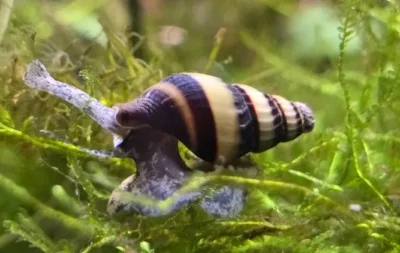
Because they reproduce rapidly, their population needs to be controlled to prevent overgrowth.
• Tank size: 5+ gallons
• Behavior: Active scavenger
• Best for: Soft algae and waste cleanup
Best Algae-Eating Shrimp
Amano Shrimp
Amano shrimp (Caridina multidentata) are considered one of the best algae eaters for aquariums, especially planted tanks. They are highly effective at removing soft algae and biofilm from plants, driftwood, and decorations, and are widely regarded as one of the strongest algae eaters in the entire hobby.
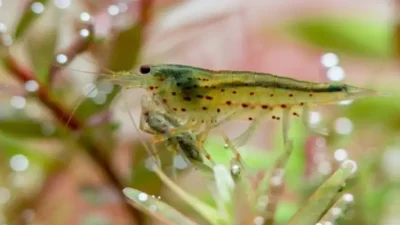
They’re excellent for maintaining a balanced aquarium environment and are a top choice specifically for tanks with stubborn algae problems.
• Tank size: 5+ gallons
• Behavior: Peaceful, social
• Best for: Soft algae, biofilm, and tough algae like black beard algae
Cherry Shrimp
Cherry shrimp are small and colorful shrimp that help control light algae and keep the tank clean. They are easy to care for and suitable for beginners.
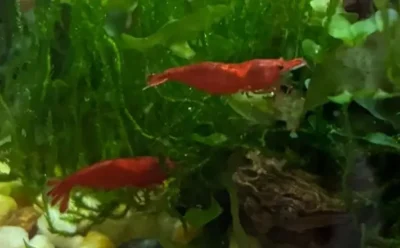
While they are not as strong at eating algae as Amano shrimp, they are excellent for maintaining a balanced aquarium environment.
• Tank size: 5+ gallons
• Behavior: Peaceful, social
• Best for: Light algae and maintenance
Ghost Shrimp
Ghost shrimp are inexpensive and commonly available aquarium shrimp that feed on algae, detritus, and leftover food.
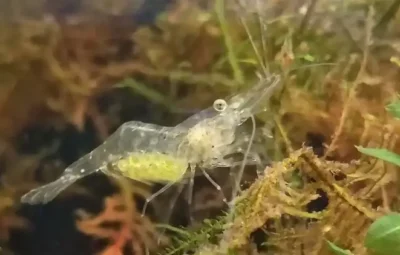
They are useful for general cleanup but are not as efficient as Amano shrimp when it comes to algae control.
• Tank size: 5+ gallons
• Behavior: Active scavenger
• Best for: General cleaning and light algae
For best results, many aquarists use a combination of fish, snails, and shrimp to control different types of algae.
FAQ – Algae Eaters in Aquariums
What is the best algae eater for beginners?
Bristlenose plecos and nerite snails are the best choices for beginners. They are hardy, easy to care for, and effective at controlling common algae like green algae.
Which algae eater is best for small tanks?
For small tanks (say under 20 gallons), nerite snails and Amano shrimp are the best options. They stay small, produce less waste, and do not require much space.
What fish eats black beard algae?
Siamese algae eaters are one of the few species known to eat black beard algae. Amano shrimp may also help, but results depend on tank conditions.
Can algae eaters completely clean a tank?
No, algae eaters cannot fully clean a tank. They help control algae growth, but regular maintenance like water changes and proper lighting is still necessary.
How many algae eaters should I add to my tank?
It depends on tank size, but a general rule is 1–2 algae eaters per 10–20 gallons. Avoid overcrowding.
Do algae eaters eat only algae?
No, most algae eaters need additional food. They can eat algae wafers, vegetables like zucchini, and leftover fish food.
Are algae eaters safe with other fish?
Most algae eaters like otocinclus, nerite snails, and Amano shrimp are peaceful and safe for community tanks.
What is the best algae eater for planted tanks?
Otocinclus and Amano shrimp are the best choices for planted tanks because they clean algae without damaging plants.
Why is my algae eater not eating algae?
This can happen if there is not enough algae, or if the fish is already full from other foods. Some species also prefer specific types of algae.
Do algae eaters reproduce in aquariums?
Most algae eaters like nerite snails and Amano shrimp do not reproduce easily in freshwater tanks, which helps prevent overpopulation.
