
The Black Oranda Goldfish is a popular fancy goldfish known for its deep black color and distinctive “wen” (a fleshy growth on the head). This unique appearance gives the fish a bold, elegant look that stands out in any aquarium.
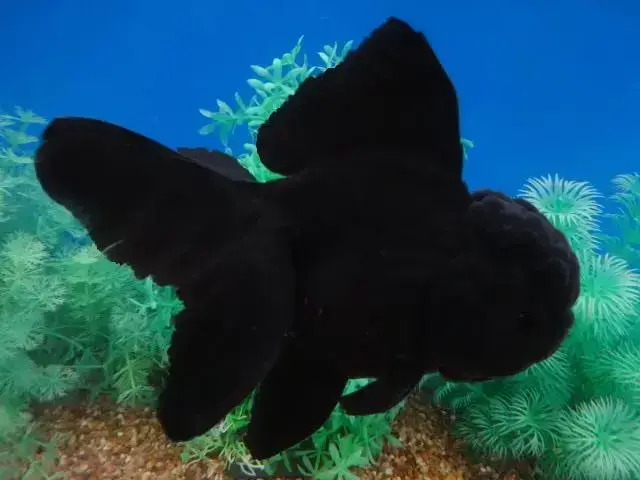
Black Orandas are a variety of Oranda goldfish and are loved by hobbyists in the United States for their calm nature and striking beauty. When kept in proper conditions, their black coloration can make them one of the most eye-catching goldfish varieties.
Quick Navigation
➜ Black Oranda Goldfish Care Guide
➜ Black Oranda Goldfish Size & Lifespan
➜ Black Oranda Breeding
➜ Common Problems in Black Oranda Goldfish
➜ Black Oranda Goldfish Price in the USA
➜ Types of Black Oranda Goldfish
➜ Solid Black Oranda Goldfish
➜ Black and White Oranda
➜ Black Oranda with Red Cap
➜ Tri-Color Black Oranda
➜ Calico Black Oranda
➜ Red and Black Oranda
➜ Lionhead Black Oranda
➜ FAQs
Black Oranda Goldfish Care Guide
Taking proper care of a Black Oranda Goldfish is essential to maintain its color, health, and longevity.
Tank Size
A Black Oranda Goldfish needs at least 20 gallons for one fish. If you plan to keep more, add 10 gallons of water per additional fish.
These fish produce a lot of waste, so a larger tank with good external filters helps maintain water quality.
Water Parameters
• Temperature: 65–72°F (18–22°C)
• pH Level: 6.5–7.5
• Ammonia: 0 ppm (very important)
Diet
Black Oranda Goldfish are omnivores and require a balanced diet:
• High-quality goldfish pellets
• Frozen or live foods (brine shrimp, bloodworms)
• Vegetables like peas and spinach
Tank Mates
Black Orandas are peaceful and should be kept with similar fancy goldfish such as:
• Other Orandas
• Ranchu
• Ryukin
Black Oranda Goldfish Size & Lifespan
A healthy Black Oranda Goldfish can grow up to 8–12 inches in length.
With proper care, they can live for 10 to 15 years, and sometimes even longer in ideal conditions.
Black Oranda Breeding
Black Oranda breeding requires a careful selection of healthy and genetically compatible fish. The mating process involves placing a few males along with a female Oranda in appropriate water conditions and temperature. The fertilized eggs are then collected from the tank and placed into a separate container that has the same water parameters, like temperature. Make sure that the water is bacteria and fungi-free, or you can add a few droplets of good fish medicine beforehand. It takes around 4-6 days for the eggs to hatch. Once the fry have hatched, they can be fed crushed goldfish pellets or frozen foods, gradually transitioning them to commercial fish food as they grow. It’s important to maintain water quality and make sure it stays ammonia-free.
Common Problems in Black Oranda Goldfish
Like other fancy goldfish, Black Orandas can face some common issues:
• Fungal infections (white patches or itching)
• Wen overgrowth (can affect vision)
• Color fading (often due to poor diet or lighting)
• Swim bladder problems, see our goldfish swimming upside down guide for causes and fixes
Maintaining clean water and a proper diet helps prevent most of these issues.
Black Oranda Goldfish Price in the USA
The price of a Black Oranda goldfish can vary depending on various factors such as its size, quality, coloration, and the location you purchase it from. Larger and high-quality Black Orandas with deep black coloration and well-developed wen tend to command higher prices. At pet stores or aquarium shops, you might find Black Oranda goldfish priced anywhere from $10 to $50 USD for juvenile ones. Larger premium-quality Black Orandas could range from $50 to $100.
Rare or show-quality Black Orandas with exceptional coloration, symmetry, and overall appearance may command even higher prices, sometimes reaching several hundred dollars, especially the show-quality ones.
Types of Black Oranda Goldfish
Here are several variations of Black Oranda goldfish based on color patterns:
Solid Black Oranda Goldfish
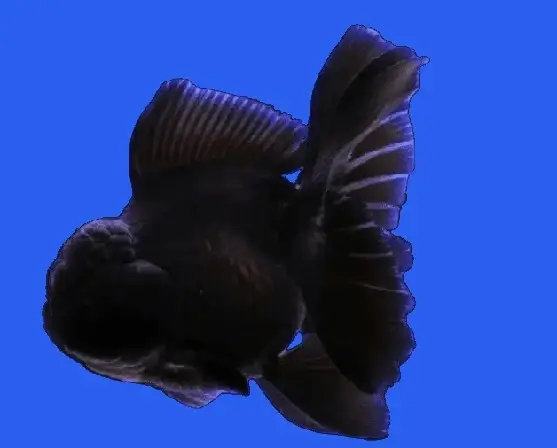
These Solid Black Orandas have a uniform black coloration throughout their body, including the wen on their head and the fins. Some Black Orandas typically have a black metallic sheen, which can add depth to their appearance.
Black and White Oranda
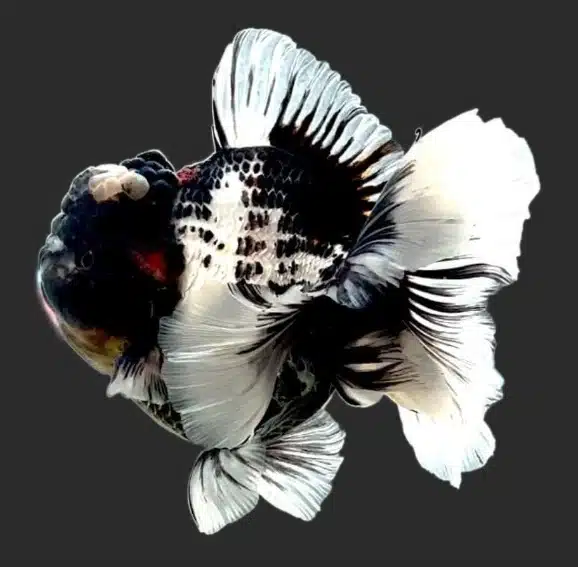
The Black and White Oranda is a type of fancy Black Oranda goldfish characterized by a combination of black and white patches or markings on its body. Black and White Orandas are highly prized for their striking appearance and are popular among aquarium enthusiasts.
Black Oranda with Red Cap
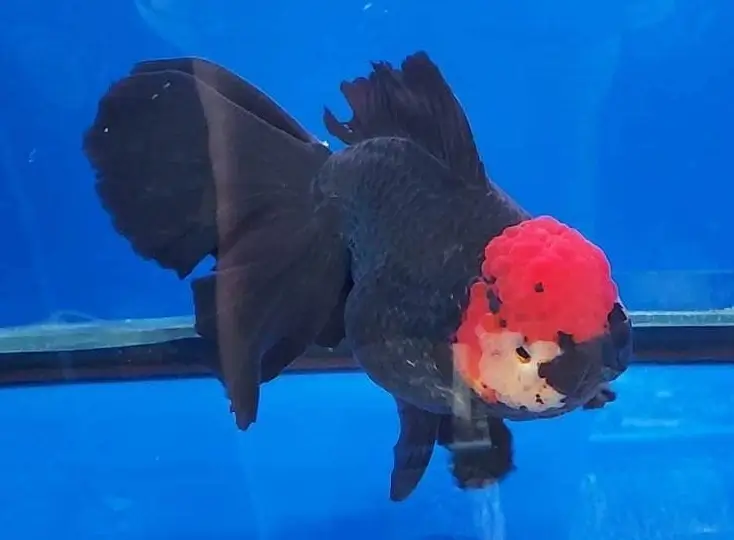
The Red Cap Black Oranda is a variety of Black Oranda goldfish known for its striking combination of colors. The body of the Red Cap Black Oranda is predominantly black, with a distinctive bright red “cap” or wen on the top of its head. This red coloration is often intense and contrasts sharply with the black body, creating a stunning appearance.
Tri-Color Black Oranda
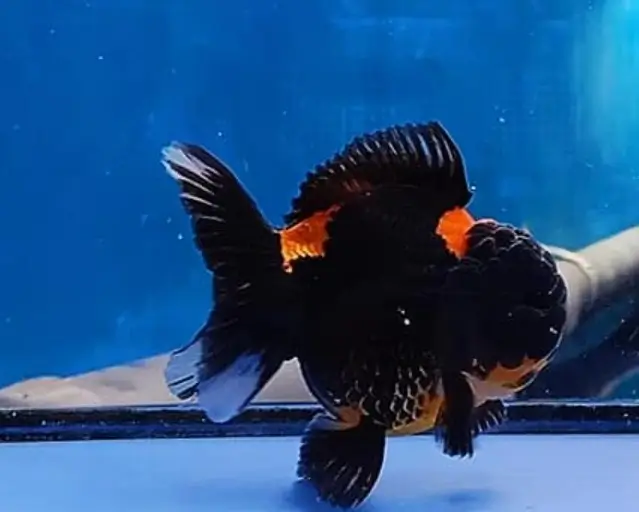
The Tri-color Black Oranda is a variety of fancy Black Oranda, known for its unique combination of colors and distinctive appearance. The tri-color Black Oranda typically displays three colors: black, red (or orange), and white. The body of the fish is predominantly black with the presence of bright red (or orange) patches on the head and fins, as well as white patterns scattered throughout the body.
Calico Black Oranda
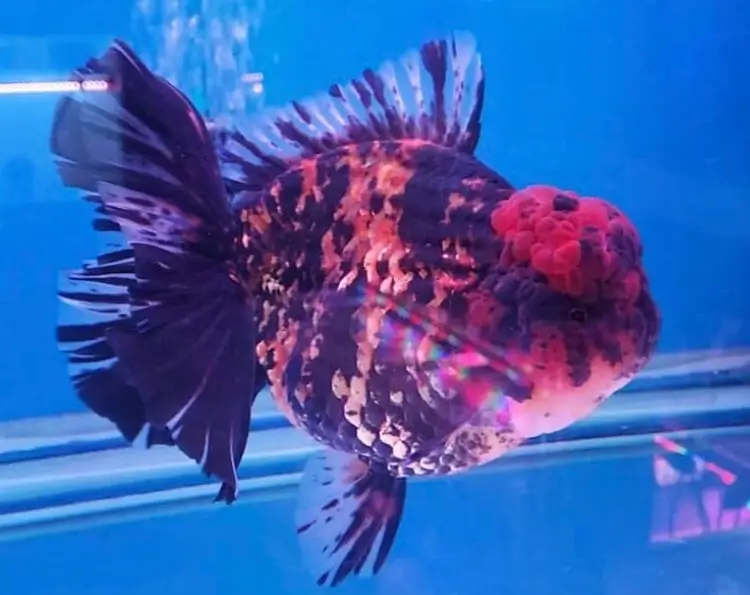
The Calico Black Oranda typically features a combination of black, orange, red, white, and sometimes other colors. The body of the fish is predominantly black, with speckles of vibrant colors scattered throughout. These colorful markings create a striking calico pattern that is reminiscent of calico cats. If you like this pattern on its own, see our Calico Oranda Goldfish guide.
Red and Black Oranda
Red and Black Orandas are a variety of goldfish known for their distinctive coloration and elegant appearance. These Red and Black Orandas showcase a blend of vibrant red and deep black color patterns, creating a striking contrast that makes them stand out.
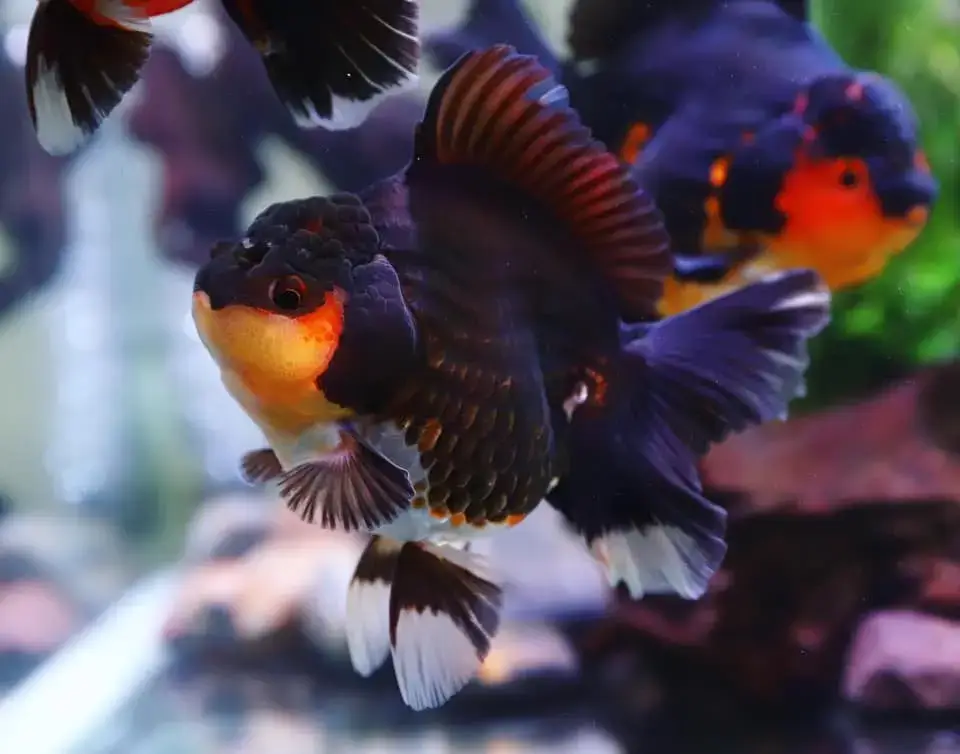
Red and Black Orandas can grow to a size of around 6 to 8 inches or even larger. With proper care, they can grow relatively large and are suitable for larger aquarium setups.
Lionhead Black Oranda
A Lionhead Black Oranda combines the unique features of the Lionhead and Oranda goldfish. This hybrid fish showcases a distinctive appearance with a prominent hood or “wen” on the head and a velvety-black body, creating a stunning contrast.
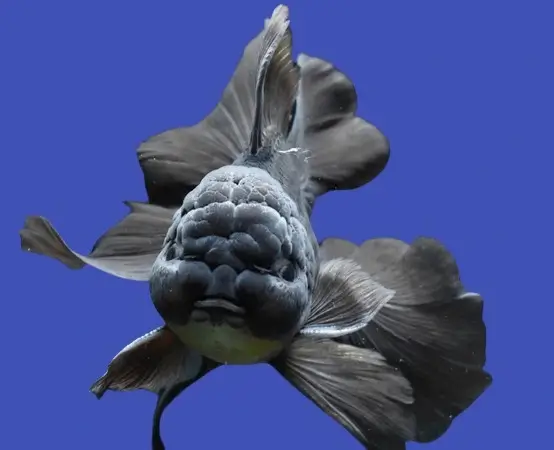
The body of a Lionhead Black Oranda is typically velvety-black, with metallic or matte scales that give it an elegant appearance.
FAQs
How big do Black Oranda Goldfish get?
They can grow up to 8–12 inches depending on care and tank size.
Are Black Oranda Goldfish rare?
They are not extremely rare, but high-quality specimens with deep black color are more valuable.
How long do Black Orandas live?
With proper care, they can live 10–15 years or more.
Why is my Black Oranda turning gold?
This can happen due to genetics, aging, or changes in diet and lighting.
Can Black Orandas live alone?
Yes, but they are social and do better with other fancy goldfish.